Why Cafés Are Embracing Frozen Foods: The Secret Ingredient to Success

Introduction: The Frozen Food Revolution in Café Culture

The café industry is undergoing a paradigm shift that’s redefining modern food service operations. What was once considered a compromise using frozen ingredients-has evolved into a strategic advantage embraced by everything from neighbourhood coffee shops to high-end specialty cafés. This transformation isn’t about cutting corners; it’s about leveraging food science to achieve unprecedented levels of quality, consistency, and operational efficiency.

At Jubilant Consumer Pvt. Ltd., we’ve been at the forefront of this revolution, working with over 500 café partners across Asia to implement intelligent frozen food solutions. Our research shows that cafés adopting premium frozen ingredients reduce food waste by 35-40%, decrease labour costs by 18-22%, and improve customer satisfaction scores by an average of 15%. These aren’t marginal improvements, they’re game-changing metrics in an industry where profit margins average just 3-5%.

The global café frozen ingredients market, valued at

2.8 billion in 2022,is projected to reach 4.3 billion by 2027, growing at a remarkable 8.9% CAGR. This growth isn’t driven by cost-cutting alone but by fundamental changes in:

  • Consumer perceptions about frozen food quality
  • Technological advancements in freezing and thawing
  • Supply chain realities in a post-pandemic world
  • Sustainability requirements from eco-conscious customers

Section 1: The New Economics of Café Operations

The Cost Breakdown: Why Frozen Makes Financial Sense

Running a profitable café requires razor-sharp cost control. Let’s examine the numbers:

Fresh vs. Frozen Cost Comparison (Annual for Average Café) – INR Values

Cost FactorFresh IngredientsPremium FrozenSavings
Ingredient Waste₹15,03,000₹4,50,900₹10,52,100
Labor (Prep Hours)₹39,07,800₹31,26,240₹7,81,560
Emergency Orders₹6,01,200₹1,50,300₹4,50,900
Total Savings

₹22,84,560

Data based on 12-month study of 30 mid-size cafés (2023)

These savings allow cafés to:

  • Reinvest in better equipment
  • Increase staff wages
  • Expand marketing efforts
  • Improve profit margins

Case Study: Tokyo’s “Bean There” Café Transformation

This 80-seat specialty café made the switch to frozen in 2022:

Before (Fresh Only)

42% food cost

3.2% net profit

18% employee turnover

After (Strategic Frozen Integration)

34% food cost

8.7% net profit

9% employee turnover

22% increase in Yelp ratings

“Our bakers used to start at 2 AM. Now we bake frozen croissants throughout the day—they’re actually better because we can serve them warm all afternoon.” — Hiro Tanaka, Owner

Section 2: The Science of Quality Preservation

Understanding Modern Freezing Technology

Today’s industrial freezing is lightyears ahead of home freezers:

Flash Freezing Breakdown

  • Harvest to Freeze Window: 2-4 hours for optimal nutrient retention
  • Temperature Curve: Rapid drop to -18°C in <30 minutes
  • Ice Crystal Formation: <5 micron crystals (vs. 50-100μm in slow freezing)
  • Packaging: Nitrogen-flushed vacuum sealing prevents oxidation

Nutrient Retention Studies

NutrientFresh (7 Days)Frozen (6 Months)
Vitamin C48%85%
Folate52%89%
Anthocyanins63%94%
Omega-3s71%97%

University of California-Davis, 2023 Research

Texture and Flavor Preservation

Advanced techniques solve traditional frozen food challenges:

1. Cryoprotectants

  • Natural compounds like trehalose prevent protein denaturation
  • Maintains mouthfeel in dairy and plant-based products

2. Directed Freezing

  • Controls ice crystal orientation using electromagnetic fields
  • Preserves cellular structure in delicate fruits

3. Enzyme Deactivation

  • Blanching vegetables at precise temperatures
  • Stops enzymatic browning without overcooking

Section 3: Operational Advantages

Streamlining Café Workflows

Frozen integration transforms back-of-house operations:

Traditional Workflow

  • 3:30 AM: Pastry chef arrives
  • 4:00 AM: Dough mixing begins
  • 6:30 AM: First bake completes
  • 2:00 PM: Pastries stale, waste accumulates

Frozen-Enhanced Workflow

  • 6:00 AM: First batch from frozen
  • 10:00 AM: Second fresh bake
  • 3:00 PM: Evening batch
  • 8:00 PM: No leftover waste

Labor Savings Breakdown

TaskTime Saved Daily
Produce Prep2.5 hours
Dough Making3 hours
Inventory Management1.5 hours
Total7 hours/day

Menu Engineering Flexibility

Frozen components enable:

  • Small Batch Testing: Try new items without bulk purchases
  • Seasonal Specials: Access offseason ingredients at peak quality
  • Consistent Standards: Eliminate variability from fresh supplies

Section 4: Consumer Perception Shift

The Transparency Advantage

Modern consumers respond well to honest communication:

Effective Messaging Examples

  • “Our berries are frozen at peak ripeness to lock in summer flavor all year”
  • “We bake croissants throughout the day from premium frozen dough for optimal freshness”
  • “Flash-frozen seafood ensures both quality and sustainable sourcing”

Consumer Survey Data (2024)

StatementAgreeNeutralDisagree
“Frozen can be high quality”68%24%8%
“Important to know sourcing”82%13%5%
“Would pay more for premium”41%38%21%

Chef Advocacy Movement

Leading culinary voices are changing perceptions:

  • Dominique Ansel: “My frozen cronut dough is actually better—more consistent texture”
  • Alice Waters: “When local isn’t available, well-sourced frozen is preferable”
  • Massimo Bottura: “Freezing lets us preserve perfect ingredients for off-season”

Section 5: The Future of Café Frozen Foods

Emerging Technologies

1. Intelligent Thawing Systems

  • AI-controlled rate adjustment for different products
  • Moisture retention optimization

2. Custom Flavor Infusion

  • Vacuum impregnation before freezing
  • Consistent flavor penetration

3. Sustainable Packaging 2.0

  • Edible protective coatings
  • Bio-based phase change materials

Market Expansion Areas

1. Premium Breakfast Items

  • Frozen avocado toast bases
  • Artisan waffle/pancake batters

2. Global Flavors

  • Pre-portioned frozen spice blends
  • Authentic regional doughs

3. Health-Conscious Options

  • Keto-friendly frozen bakery
  • High-protein frozen smoothie packs

Conclusion: The Smart Café’s New Paradigm

The most successful cafés aren’t just adopting frozen ingredients, they’re reimagining their entire operational model around intelligent frozen integration. This approach delivers:

Quality Advantages

  • Year-round access to peak-season ingredients
  • Superior consistency across locations
  • Enhanced food safety through controlled processing

Business Benefits

  • 22-28% reduction in food costs
  • 15-20% labor efficiency gains
  • 30-50% decrease in waste

Customer Experience

  • All-day freshness without 3 AM baking
  • Expanded menu possibilities
  • Reliable quality that builds loyalty

At Jubilant Consumer, we’re helping cafés navigate this transition with:

  • Chef-Developed Solutions: From frozen croissant dough to acai bases
  • Custom Formulations: Tailored to your specific concept and clientele
  • End-to-End Support: Menu engineering, staff training, and marketing guidance

The cafés leading the industry aren’t those clinging to outdated notions of “fresh at all costs”—they’re the ones recognizing that modern freezing technology, when implemented strategically, represents not a compromise but a competitive edge.

Ready to explore how frozen can transform your café? Contact our culinary team for a complimentary menu assessment and product samples.

The Science Behind Freezing: How Freezing Extends Shelf Life Without Compromising Taste

Introduction: The Frozen Food Revolution

In our modern, fast-paced world, frozen foods have quietly revolutionized the way we eat. From busy professionals seeking quick meals to Michelin-starred chefs incorporating frozen ingredients into gourmet dishes, the frozen food industry has evolved far beyond the TV dinners of the past. At Jubilant Consumer Pvt. Ltd. (JCPL), we’ve witnessed this transformation firsthand, pioneering advanced freezing techniques that preserve not just food, but its essential qualities: taste, texture, and nutritional value.

The global frozen food market, valued at 291.8 billionin2022,is projected to reach 404.8 billion by 2027, growing at a CAGR of 6.8%. This explosive growth isn’t just about convenience; it’s about a fundamental understanding of food science and how freezing can actually enhance food preservation better than many traditional methods.

The Fundamental Science of Freezing

Understanding Food Degradation

To appreciate how freezing preserves food, we must first understand how food spoils. Three primary mechanisms cause food deterioration:

1. Microbial Growth: Bacteria, yeasts, and molds are nature’s decomposers. At room temperature, a single bacterium can multiply to over 2 million in just 7 hours under ideal conditions. These microorganisms break down proteins, fats, and carbohydrates, leading to spoilage and potential foodborne illnesses.

2. Enzymatic Activity: Even without microbial action, food contains natural enzymes that continue biochemical processes. In fruits, enzymes cause ripening and eventual rotting. In vegetables, they lead to texture changes and discoloration.

3. Oxidation: Exposure to oxygen causes fats to become rancid and vitamins to degrade. This process is particularly noticeable in frozen seafood, where improper handling can lead to “freezer burn.”

How Freezing Interrupts Spoilage

Freezing works by dramatically slowing down all three degradation processes:

  • Temperature’s Effect on Microbes: Most foodborne pathogens grow best between 4°C and 60°C. Below 4°C, their growth slows significantly. At -18°C (standard freezer temperature), microbial activity essentially stops. While some bacteria can survive freezing, they cannot multiply, effectively pressing the pause button on spoilage.
  • Enzyme Activity Reduction: While freezing doesn’t destroy enzymes, it slows their activity to negligible levels. For vegetables that contain particularly active enzymes (like broccoli or green beans), blanching before freezing is essential to deactivate these enzymes completely.
  • Water Activity Control: Microorganisms need available water to grow. By converting water to ice, freezing reduces “water activity” (aW), making the remaining unfrozen water unavailable for microbial use.

The Art and Science of Quality Freezing

The Ice Crystal Conundrum

Not all freezing is created equal. The size and distribution of ice crystals make the difference between a perfectly preserved strawberry and a mushy, unappetizing mess.

  • Slow Freezing (Home Freezers): Forms large, Jagged ice crystals that puncture cell walls. When thawed, these damaged cells leak nutrients and moisture, resulting in soggy textures.
  • Rapid Freezing (Industrial Flash Freezing): Using technologies like cryogenic freezing or blast freezers, food is frozen so quickly that only tiny, uniform ice crystals form. This preserves cellular integrity, maintaining texture and preventing nutrient loss.

At Jubilant Consumer, we employ Individual Quick Freezing (IQF) technology, where each piece is frozen separately, preventing clumping and ensuring superior quality. Our spiral freezers can freeze products at temperatures as low as -40 °C with precise airflow control.

The Temperature Sweet Spot

While household freezers typically maintain -18 °C, commercial operations often use even lower temperatures:

  • -18 °C: Standard for long-term storage
  • -30°C to -40°C: Used for initial rapid freezing
  • -50°C and below: For premium products like sushi-grade fish

Maintaining consistent temperatures is crucial. Fluctuations cause ice crystals to melt and refreeze, growing larger and damaging food structure. Our state-of-the-art cold chain logistics ensure temperature stability from production to delivery.

Nutritional Preservation: Frozen vs. Fresh

The Nutrient Retention Paradox

Contrary to popular belief, frozen foods can be more nutritious than their “fresh” counterparts. Consider this:

1. Time Factor: Fresh produce can take days or weeks to reach consumers, during which nutrient degradation occurs. Spinach loses about 50% of its folate within a week of refrigeration.

2. Harvest Timing: Frozen produce is typically harvested at peak ripeness when nutrient levels are highest, then frozen within hours. Fresh produce is often picked early to withstand shipping.

3. Vitamin Stability: Water-soluble vitamins (B and C) are particularly vulnerable to heat and oxygen. Freezing preserves these better than canning or drying.

A 2017 study published in the Journal of Food Composition and Analysis found no significant differences between fresh and frozen produce for vitamins E and A, and actually found higher levels of vitamin C in frozen corn, green beans, and blueberries.

For animal products, freezing is exceptionally effective at preserving quality:

  • Meat: Properly frozen meat retains its protein content indefinitely. Fat oxidation is the limiting factor, which is why vacuum-sealed packaging is crucial.
  • Seafood: The “fresh” fish at your supermarket was likely previously frozen on the fishing vessel. Flash freezing at sea preserves texture and flavor better than “fresh” fish that’s been on ice for days.

Our RTC (Ready-to-Cook) and RTE (Ready-to-Eat) products leverage these principles, locking in nutrition without compromising convenience.

Advanced Freezing Technologies

Innovations Changing the Game

1. Cryogenic Freezing: Using liquid nitrogen (-196°C) or carbon dioxide (-78°C) for ultra-rapid freezing. Ideal for delicate items like berries and seafood.

2. High Pressure Shift Freezing: Uses pressure to control ice crystal formation, preventing cellular damage. Emerging technology for premium products.

3. Ultrasound-Assisted Freezing: Sound waves promote uniform nucleation, creating smaller ice crystals. Particularly effective for meat and dairy.

4. Antifreeze Proteins: Naturally occurring in Arctic fish, these proteins inhibit ice crystal growth. Being adapted for commercial freezing applications.

At Jubilant Consumer, we continuously evaluate these technologies to enhance our product offerings, ensuring we remain at the forefront of frozen food innovation.

The Psychology of Frozen Food Perception

Overcoming Consumer Biases

Despite the science, many consumers still view frozen as inferior. This stems from:

1. Historical Quality Issues: Early frozen foods (1950s-70s) were often overcooked before freezing to account for microwave reheating.

2. The “Fresh” Fallacy: Marketing has conditioned us to equate “fresh” with “better,” despite evidence to the contrary.

3. Texture Concerns: Poor home freezing experiences color perceptions of all frozen foods.

We combat these perceptions through:

  • Transparent labeling showing harvest and freeze dates
  • Superior packaging that prevents freezer burn
  • Recipe partnerships with chefs demonstrating frozen food potential

Sustainability: Frozen Food’s Hidden Advantage

Reducing Food Waste

The FAO estimates 1/3 of all food produced is wasted. Frozen foods help by:

  • Extending shelf life from days to months
  • Allowing portion control (use what you need)
  • Preserving seasonal produce year-round

Energy Efficiency Advances

Modern freezing technology has reduced energy consumption by over 30% in the past decade through:

  • Cascade refrigeration systems using multiple refrigerants
  • Heat recovery systems repurposing waste heat
  • Smart defrosting technologies minimizing energy use

Our facilities incorporate these innovations, aligning with the Jubilant Group’s commitment to sustainability.

The Future of Frozen Foods

Emerging Trends

1. Clean Label Frozen Foods: Consumers demand simpler ingredients without artificial additives.

2. Plant-Based Innovations: Frozen format ideal for meat alternatives requiring specific textures.

3. Functional Frozen Foods: Incorporating probiotics, added nutrients, or medicinal benefits.

4. Smart Packaging: Indicators showing temperature history and product freshness.

Technological Frontiers

  • AI-Optimized Freezing Protocols: Machine learning to determine ideal freezing curves for different foods.
  • Nanotechnology Applications: Nano-coatings to prevent freezer burn at molecular level.
  • Space Food Technology: NASA-developed freezing techniques trickling down to consumer markets.

Conclusion: Freezing as Culinary Time Travel

Freezing technology represents one of humanity’s most significant food preservation breakthroughs. When done correctly – with scientific precision and culinary respect – freezing doesn’t just preserve food; it captures a moment of peak freshness to be experienced weeks or months later.

At Jubilant Consumer, we view freezing not as a compromise, but as an opportunity – to deliver consistent quality, reduce waste, and make exceptional food accessible year-round. As we continue to innovate, pushing the boundaries of what frozen foods can achieve, we invite you to rediscover frozen foods, not as a last resort, but as a first choice for quality, convenience, and nutrition.

The next time you enjoy one of our frozen products, remember: you’re not just eating food that was frozen – you’re experiencing food that was perfected at its peak, then preserved with cutting-edge science until the moment you’re ready to enjoy it. That’s the true power of modern freezing technology…..

How Private Labeling Can Boost Your Brand’s Offerings

In today’s highly competitive food industry, businesses are constantly seeking innovative ways to enhance their brand identity, improve profit margins, and deliver unique products to their consumers. One powerful strategy that is gaining momentum across sectors—particularly in RTC (Ready-to-Cook), RTE (Ready-to-Eat), frozen foods, and fresh-cut fruits and vegetables—is private labeling.

Private labeling offers companies the ability to provide customized, high-quality products under their own brand name without investing heavily in production facilities. From small QSR chains to large-scale international exporters, private labeling allows businesses to expand their offerings, streamline operations, and enhance customer loyalty.

At Jubilant Consumer Pvt. Ltd., we specialize in providing end-to-end private-label solutions for businesses across various industries, including HoReCa (Hotels, Restaurants, Cafes), retail chains, exporters, and distributors. With a state-of-the-art production facility, customization services, and logistics & supply chain management, we help our partners bring unique, high-quality products to market efficiently.

In this comprehensive guide, we will dive deep into what private labeling is, the advantages it offers, emerging trends, and how businesses can leverage private labeling to boost their brand’s offerings and stay ahead in a competitive market.

1. What is Private Labeling?

Private labeling is the process where one company manufactures products, which are then sold under another company’s brand. This model allows businesses to offer exclusive, customized products without incurring the costs and complexities of in-house production.

In the food industry, private labeling is particularly valuable in categories like RTC meals, RTE products, frozen foods, and fresh-cut produce. Through partnerships with reliable manufacturers like Jubilant Consumer, businesses can deliver products under their brand identity while maintaining quality and consistency.

Examples of Private Labeling in the Food Industry:

1. QSR Chains: Selling RTC frozen burger patties or chicken nuggets under their own brand.

2. Hotels & Restaurants: Offering RTE gourmet meals for room service or in-house dining.

2. Why Private Labeling is Transforming the Food Industry

The private-label food market is witnessing unprecedented growth, reshaping how businesses deliver customized, affordable, and high-quality products to consumers. According to industry insights, the global private-label food and beverage market is projected to reach a staggering $250 billion by 2030, driven by evolving consumer preferences, technological advancements, and the demand for convenience. This surge reflects how private-label solutions are no longer just an alternative but a strategic advantage for businesses seeking to differentiate themselves and capture market share.
As businesses across sectors like HoReCa (Hotels, Restaurants, Cafés), retail chains, exporters, and distributors aim to deliver tailored solutions, private labeling provides a scalable, cost-effective way to meet these needs while ensuring operational efficiency.

Key Factors Driving the Growth of Private Labeling:

1. Consumer Demand for Convenience

The modern consumer prioritizes speed and simplicity when choosing food products. With busy lifestyles becoming the norm, there is an increasing appetite for quick, ready-to-use solutions that do not compromise on taste or nutrition.

  • RTC (Ready-to-Cook) and RTE (Ready-to-Eat) private-label products allow businesses to cater to this growing demand by offering pre-prepared meals, frozen options, and fresh-cut fruits and vegetables that save consumers valuable time and effort.
  • Consumers expect easy-to-prepare food without sacrificing quality. Businesses can meet these expectations by offering customized, branded private-label items that deliver restaurant-quality experiences at home.

Example: A café can offer private-labeled frozen snacks or RTE desserts, allowing customers to enjoy their favorite treats conveniently while reinforcing brand loyalty.

2. Brand Differentiation and Market Positioning

In today’s crowded food market, standing out is essential. Private labeling empowers businesses to customize product offerings and present them under their unique brand identity, fostering a deeper connection with customers.

  • By offering exclusive products, brands can enhance their market visibility and strengthen customer loyalty.
  • Customized private-label solutions enable companies to introduce specialized product lines that cater to regional preferences or dietary trends (e.g., low-sodium, organic, or gluten-free).

Example: A QSR chain offering a signature line of frozen appetizers under its brand can differentiate itself from competitors while maintaining product consistency across multiple locations.

3. Cost Efficiency and Higher Profit Margins

Private labeling is a cost-effective solution that reduces overhead costs while maximizing profit margins. By partnering with an experienced private-label manufacturer like Jubilant Consumer, businesses can eliminate the need for in-house production and benefit from bulk manufacturing.

  • Economies of scale in private labeling allow businesses to reduce per-unit costs while maintaining high product quality.
  • Without the need for costly R&D or manufacturing facilities, brands can focus on sales, marketing, and customer engagement.

Example: A retail store can offer fresh-cut fruits and vegetables under its own brand at a competitive price while achieving higher profit margins through private-label partnerships.

4. Customization Opportunities for Diverse Markets

Today’s consumers value personalization and private labeling allows businesses to customize products to fit local preferences, dietary needs, and emerging trends.

  • Businesses can offer limited-edition or seasonal items, enhancing the customer experience and responding swiftly to market changes.
  • Private-label partners like Jubilant Consumer offer flexibility in flavors, packaging, and portion sizes, ensuring brands can cater to diverse audiences.

Example: An international exporter can deliver region-specific RTC meals in various countries while maintaining brand consistency through customized private-label solutions.

3. The Key Benefits of Private Labeling for Your Brand

Private labeling offers a wide range of benefits that can elevate your brand’s market position and deliver operational advantages. Here’s how:

A. Enhanced Brand Identity and Customer Loyalty

Private labeling allows you to control every aspect of your product’s presentation from ingredients to packaging design ensuring that your brand message remains consistent. Offering exclusive products fosters customer loyalty by creating a unique value proposition that sets you apart.

Example: A specialty café can offer RTE frozen desserts or custom-blended coffee products under their own brand, providing customers with a memorable experience that encourages repeat visits.

B. Higher Profit Margins and Cost Efficiency

By removing intermediaries and manufacturing through trusted private-label providers, businesses can enjoy reduced production costs and improved profit margins. With bulk production and economies of scale, companies can deliver premium products at competitive prices.

Example: A restaurant chain offering RTC marinated chicken can reduce food prep time and maximize profitability by using private-label suppliers.

C. Customization and Product Innovation

Private labeling enables brands to customize products to suit their market’s specific tastes and dietary preferences. Whether it’s gluten-free, vegan, or ethnic-specific recipes, manufacturers like Jubilant Consumer offer complete product innovation support.

Example: An international retailer can provide fresh-cut fruits and vegetables packaged according to local consumer preferences in multiple countries.

D. Faster Time-to-Market

With a reliable private-label partner, businesses can accelerate product development and quickly respond to emerging trends. This is crucial in today’s fast-paced food industry, where being first-to-market can mean greater consumer adoption.

Example: A QSR launching a new line of frozen ap
petizers can reduce the development timeline by partnering with Jubilant Consumer for private-label production.

E. Supply Chain and Operational Efficiency

Outsourcing food production to a private-label expert allows brands to streamline their supply chain and focus on core business activities. Jubilant Consumer offers end-to-end logistics & supply chain management, ensuring efficient production, warehousing, and delivery.

Example: A multi-location HoReCa business can maintain consistency across all branches by sourcing standardized frozen foods through a private-label manufacturer.

4. How Jubilant Consumer’s Private Labeling Services Work

At Jubilant Consumer, we provide comprehensive private-label solutions that are tailored to your brand’s needs. Here is how our process works:

1. Consultation & Strategy: We understand your brand vision and market goals.

2. Product Development: We develop customized RTC, RTE, and frozen food solutions that align with your specifications.

3. Quality Assurance: We follow rigorous quality control processes to ensure safety, taste, and compliance.

4. Packaging & Branding: We design custom labels and packaging to match your brand’s aesthetic and message.

5. Production & Logistics: Our advanced supply chain ensures timely manufacturing and delivery across locations.

5. Emerging Trends in Private Labeling for the Food Industry

A. Sustainability and Eco-Friendly Packaging

Brands are adopting sustainable private-label solutions to meet consumer demands for eco-conscious products.

Example: Jubilant Consumer offers biodegradable packaging for RTC and RTE products.

B. Premiumization of Private Labels

Consumers are willing to pay more for premium-quality private-label products. Brands can offer gourmet frozen foods and custom RTE meals to cater to this growing segment.

Example: Luxury hotels offering private-label gourmet RTC appetizers.

C. Global Expansion

Private labeling enables international brands to tailor products to regional preferences while maintaining operational consistency.

Example: Exporters offering customized frozen food solutions across multiple countries.

6. Why Jubilant Consumer is Your Ideal Private Label Partner

Jubilant Consumer Pvt. Ltd. stands out as a leading private-label manufacturer in the food industry due to our:

  • Customized RTC, RTE, frozen foods, and fresh-cut products
  • End-to-end solutions, including product innovation and logistics management.
  • Commitment to quality, efficiency, and customer satisfaction.

7. Conclusion: Elevate Your Brand with Private Labeling

Private labeling offers a transformative opportunity for brands to expand product lines, enhance customer loyalty, and increase profit margins. With Jubilant Consumer’s expertise, businesses across the HoReCa, retail, and export sectors can deliver customized food solutions that meet today’s market demands.

Interested in growing your brand through private labeling? Partner with Jubilant Consumer and unlock new possibilities for your business today.

The Rise of Food in Cinemas: What Moviegoers Are Craving

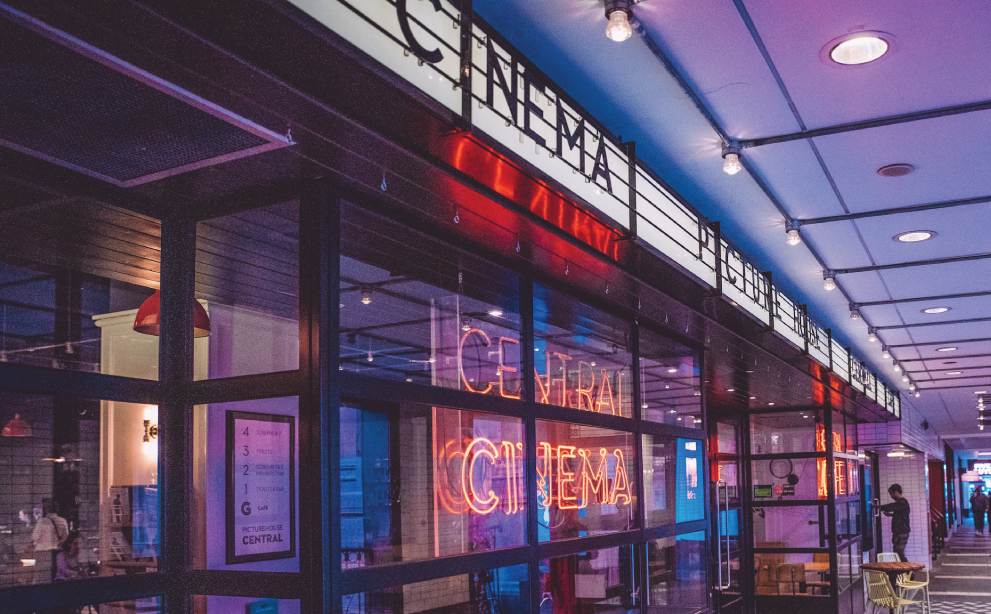
The cinema industry is undergoing a remarkable transformation, and it’s not just about bigger screens or better sound systems—it’s about elevating the entire experience, especially when it comes to food and beverages. Today’s moviegoers are no longer satisfied with just the classic combo of popcorn and soda. Instead, they expect diverse, gourmet, and convenient food options that cater to a variety of palates and dietary preferences.

This evolution has led to the emergence of a food revolution within cinema halls. From luxury theatres offering dine-in experiences to mainstream cinemas expanding menus with ready-to-eat (RTE) and ready-to-cook (RTC) options, the demand for high-quality, convenient food is driving new opportunities for both cinemas and food manufacturers.

As an industry leader in providing frozen and fresh food solutions, Jubilant Consumer is at the forefront of this changing landscape, offering a diverse portfolio of products designed to meet the specific needs of cinemas. From customized private-label offerings to quick-serve snacks and frozen food, we provide the tools to enhance customer satisfaction and boost revenue in an increasingly competitive market.

Why Are Cinemas Investing More in Food?

The shift toward better food options in cinemas isn’t just a passing trend—it’s a strategic move driven by changing consumer behavior, advancements in food technology, and the need for cinemas to stand out in a competitive entertainment landscape. Here are some key drivers behind this shift:

1. Changing Consumer Expectations

Modern consumers seek convenience without sacrificing quality. They expect restaurant-quality food that is fresh, diverse, and easily accessible. Whether it’s quick bites like frozen finger foods or healthy fresh-cut fruit bowls, moviegoers want options that align with their lifestyle and preferences.

Jubilant Consumer’s range of frozen RTC snacks allows cinemas to offer delicious, easy-to-prepare options that cater to these changing demands.

2. Increased Revenue Opportunities

Expanding the food menu enables cinemas to increase their revenue per customer. Offering premium food items like gourmet sliders, chicken wings, and RTC international cuisines can boost profits while providing an enhanced movie experience.

Cinemas offering frozen, high-margin products see increased customer spending and repeat visits.

3. The Rise of Premium and Luxury Cinemas

Luxury cinemas are leading the charge by providing in-theater dining experiences. With full-service kitchens and a wide array of menu items, they deliver a premium experience that commands higher ticket prices and customer loyalty.

Offering customized RTC meals through private labeling enables cinemas to provide exclusive dining without the need for on-site culinary expertise.

What Moviegoers Are Craving: Food Trends in Cinemas

To keep audiences engaged, cinemas are expanding their menus to include flavors from around the world, healthy alternatives, and personalized experiences. Here are the top food trends dominating cinema concessions:

1. Frozen Snacks and RTE Finger Foods

Convenience is paramount in cinema kitchens, and frozen snacks and RTE items make it easy to offer quick, consistent options. Popular offerings include:

  • Loaded nachos with premium toppings
  • Spicy chicken wings and nuggets
  • Frozen mini pizzas and cheesy fries

With Jubilant Consumer’s frozen RTC solutions, cinemas can provide consistent and high-quality offerings across multiple locations without requiring extensive preparation.

2. Healthy and Fresh-Cut Alternatives

Health-conscious moviegoers are demanding better-for-you alternatives to greasy snacks.

Jubilant Consumer’s fresh-cut produce ensures freshness and convenience, making it easy for cinemas to cater to health-focused audiences.

3. Global Flavors and Gourmet Options

Today’s moviegoers want to travel the world through food. Cinemas are responding by adding international cuisines and gourmet-inspired dishes to their menus. Trending
global flavors include:

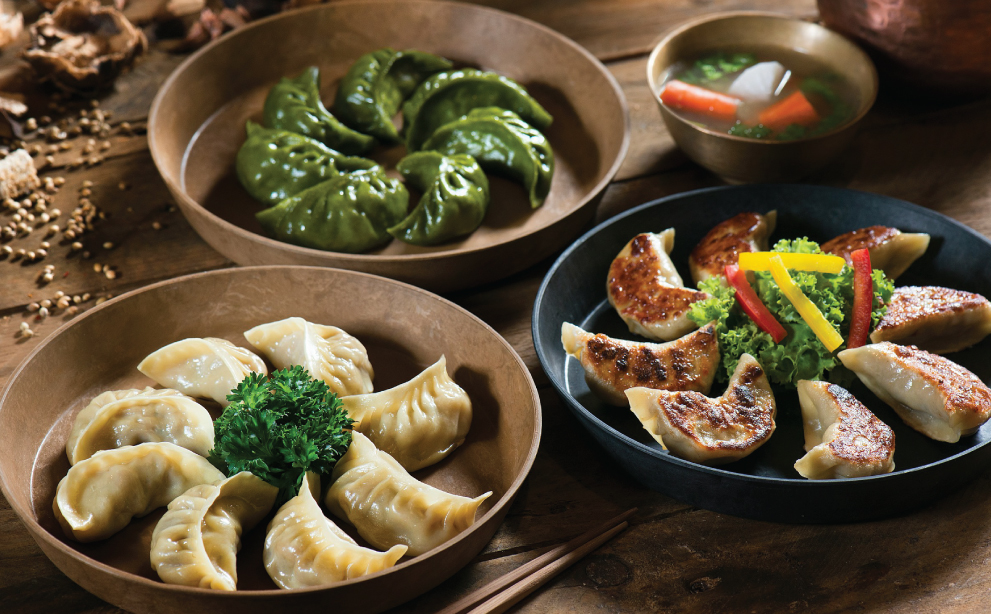
  • Asian dumplings and spring rolls
  • Mexican-style tacos with RTC fillings
  • Italian-inspired bruschetta and garlic bread

Frozen RTC solutions from Jubilant Consumer enable cinemas to provide authentic global cuisines while maintaining operational efficiency.

4. Premium Beverages and Custom Pairings

Beverages remain a high-margin item for cinemas, and the demand for customized drink pairings is growing. From craft sodas to frozen mocktails, consumers want unique drink experiences to complement their meals.

Offering specialty frozen drinks alongside signature snacks boosts per-customer spending and enhances the theater experience.

Operational Benefits of Frozen and RTC Foods in Cinemas

Beyond meeting consumer cravings, investing in frozen and RTC food solutions offers operational advantages for cinema chains:

1. Efficiency and Consistency

Frozen and RTC products reduce prep time, ensuring speedy service while delivering consistent quality. With pre-portioned options, cinemas can efficiently manage inventory and minimize waste.

Jubilant Consumer’s RTC offerings provide a scalable solution for cinemas looking to maintain uniform quality across multiple locations.

2. Customization Through Private Labeling

By partnering with a trusted provider like Jubilant Consumer, cinemas can create private-label food products tailored to their audience. This strategy enhances brand identity and customer loyalty.

Customized RTC products allow cinemas to offer exclusive menu items that set them apart from competitors.

3. Reducing Food Waste

Frozen and RTE products offer longer shelf life, reducing food spoilage and waste. By incorporating frozen snacks and RTC options, cinemas can manage supply chains efficiently while maintaining freshness.

4. Scalability Across Locations

Standardized frozen and RTC products make it easier for cinema chains to replicate the same food quality across multiple locations. This consistency improves the customer experience while streamlining kitchen operations.

The Future of Food in Cinemas

As the industry continues to evolve, these key trends will shape the future:

1. Personalized Menus – Using data insights to offer personalized food and beverage recommendations.

2. Sustainable Packaging – Adopting eco-friendly packaging to reduce environmental impact.

3. Tech-Driven Ordering – Utilizing self-service kiosks and mobile apps for streamlined food ordering.

4. Health-Focused Offerings – Incorporating more fresh-cut fruits, plant-based options, and organic snacks.

Jubilant Consumer supports these innovations with customized, sustainable food solutions that align with emerging market demands.

How Jubilant Consumer Empowers Cinemas with Food Solutions

Jubilant Consumer provides a comprehensive range of frozen, RTC, and fresh-cut solutions designed to meet the unique needs of cinema operators. Our offerings include:

  • Frozen and RTC Snacks – Quick-to-prepare options that maintain taste and texture.
  • Private Labeling – Custom food solutions tailored to cinema branding.
  • Logistics and Supply Chain Support – Reliable delivery across multiple cinema locations.

By working with Jubilant Consumer, cinemas can enhance their food offerings, increase operational efficiency, and deliver exceptional dining experiences to moviegoers.

Conclusion: Elevating the Cinema Experience with Food Innovation

The rise of food in cinemas signifies a cultural shift—moviegoers expect more choices, better quality, and greater convenience. By expanding frozen, RTC, cinemas can deliver an exceptional dining experience while enhancing operational efficiency and increasing revenue.

As a leader in frozen and RTC food solutions, Jubilant Consumer empowers cinemas to meet these expectations with customized, scalable products. Whether it’s frozen snacks, private-label innovations, or fresh-cut produce, we provide the tools to transform the cinematic experience.

Sustainable Practices in the Frozen Food Industry: Shaping a Greener Future

The frozen food industry is an essential part of the global food supply chain, providing consumers with convenient, high-quality products while reducing food waste. However, as the world becomes increasingly aware of environmental challenges, the industry is under pressure to adopt sustainable practices. From responsible sourcing to reducing carbon footprints, companies are transforming their operations to meet both consumer expectations and environmental standards.

At Jubilant Consumer, we understand the importance of sustainability in the frozen food sector. Our mission goes beyond delivering premium Ready-to-Cook (RTC), Ready-to-Eat (RTE), and fresh-cut fruits and vegetables. We are committed to implementing sustainable practices throughout our value chain—ensuring that our products are not only convenient and delicious but also environmentally responsible.

In this blog, we’ll explore how the frozen food industry is embracing sustainable innovations, the benefits of these practices, and how Jubilant Consumer is leading the charge in creating a more sustainable future.

Why Sustainability Matters in the Frozen Food Industry

The frozen food industry relies on energy-intensive processes for freezing, storage, and distribution. Without sustainable practices, these operations can contribute to significant environmental harm. Embracing sustainability is not just a moral obligation—it’s a business necessity and a response to evolving consumer demand.

1. Reducing Carbon Footprints:

The cold supply chain requires substantial energy for refrigeration and transportation, contributing to greenhouse gas emissions. Sustainable practices minimize this impact through energy efficiency and green technology.

2. Meeting Consumer Expectations:

Today’s consumers are more eco-conscious than ever. A growing number of people prefer to purchase from brands committed to ethical sourcing, environmentally-friendly packaging, and responsible operations.

3. Minimizing Food Waste:

One of the most significant environmental challenges is food waste. Frozen foods inherently reduce spoilage by extending shelf life. Sustainable operations further minimize waste throughout the supply chain.

4. Ensuring Long-Term Profitability:

Sustainability leads to better operational efficiency, reducing energy costs and improving resource management. This not only protects the environment but also enhances long-term business success.

Key Sustainable Practices in the Frozen Food Industry

Sustainability in the frozen food sector encompasses everything from responsible ingredient sourcing to eco-friendly packaging and energy-efficient logistics. Let’s explore the comprehensive steps leading frozen food companies are taking to reduce their environmental impact.

1. Responsible Sourcing of Ingredients

Sustainability starts at the source. By choosing ethical and environmentally-friendly suppliers, frozen food companies can ensure their products are sustainable from the ground up.

  • Local and Seasonal Sourcing: Procuring local and seasonal produce reduces the carbon footprint associated with transportation. Local sourcing also supports regional economies and ensures fresher, more nutritious ingredients.
  • Sustainable Agriculture Partnerships: Collaborating with farms using sustainable agricultural practices—such as regenerative farming and organic cultivation—reduces environmental degradation.
  • Traceability and Transparency: Implementing supply chain traceability allows companies to track every step of the process, ensuring ethical sourcing and meeting environmental standards.

At Jubilant Consumer, we prioritize partnerships with local suppliers who adhere to sustainable farming practices. Our commitment to quality and sustainability ensures our frozen products are both environmentally responsible and of the highest calibre.

2. Energy-Efficient Freezing and Storage

Freezing is a resource-intensive process, requiring continuous energy consumption. Innovations in energy efficiency help reduce the environmental impact without compromising food quality.

  • Advanced Freezing Technology: Modern blast-freezing techniques rapidly freeze products while consuming less energy. This preserves nutrients, texture, and taste while reducing energy use.
  • Optimized Cold Storage: Utilizing energy-efficient cold storage systems helps reduce power consumption. Many companies are shifting to low-energy cooling units and implementing temperature optimization practices.
  • Renewable Energy Integration: Using renewable energy sources, such as solar or wind power, to run freezing and storage facilities significantly reduces reliance on fossil fuels.

Jubilant Consumer continuously invests in energy-efficient freezing technologies. By optimizing our cold storage practices and exploring renewable energy solutions, we actively reduce our environmental footprint.

3. Eco-Friendly Packaging Solutions

Packaging plays a critical role in preserving frozen food quality. However, single-use plastics are a major environmental concern. Sustainable packaging solutions balance product protection with environmental responsibility.

  • Recyclable and Biodegradable Materials: Utilizing recyclable plastics and biodegradable alternatives reduces landfill waste. Companies are investing in compostable packaging and minimizing non-recyclable materials.
  • Lightweight Packaging: Reducing packaging material usage through innovative design helps cut down on waste and lowers transportation emissions.
  • Consumer Education on Recycling: Providing clear information on how to recycle packaging ensures that consumers contribute to the sustainability effort.

Jubilant Consumer is committed to reducing packaging waste by incorporating recyclable materials and exploring biodegradable options. Our goal is to provide eco-conscious solutions without compromising the integrity of our frozen offerings.

4. Minimizing Food Waste Across the Supply Chain

Frozen foods naturally reduce food waste by extending shelf life, but companies can go further to ensure that every part of the supply chain is waste-conscious.

  • Optimized Portion Sizes: Offering pre-portioned RTC and RTE products allows consumers to prepare exactly what they need, reducing household waste.
  • Upcycling By-Products: Utilizing leftover food materials in new product formulations or for animal feed minimizes waste throughout the production process.
  • Inventory Management Systems: Implementing smart tracking systems prevents overproduction and improves stock management, reducing spoilage.

At Jubilant Consumer, we prioritize waste reduction by adopting efficient inventory management and finding innovative ways to repurpose by-products.

5. Sustainable Transportation and Logistics

Transporting frozen food requires maintaining a continuous cold chain, which traditionally consumes large amounts of energy. Sustainable logistics aim to cut emissions while ensuring product freshness.

  • Route Optimization: Leveraging technology to optimize delivery routes reduces fuel consumption and enhances delivery efficiency.
  • Eco-Friendly Refrigerated Transport: Using electric or hybrid refrigerated vehicles helps reduce greenhouse gas emissions.
  • Carbon Offsetting: Investing in carbon offset programs compensates for emissions generated during distribution.

We at Jubilant Consumer are exploring eco-friendly transportation methods and optimizing logistics to deliver our frozen products with minimal environmental impact.

6. Promoting Corporate Responsibility and Consumer Engagement

Sustainability extends beyond internal processes—companies must engage with consumers and communities to foster a culture of environmental responsibility.

  • Community Partnerships: Collaborating with local NGOs and community initiatives supports sustainable development.
  • Consumer Awareness Campaigns: Educating consumers on sustainability and responsible consumption empowers them to make eco-friendly choices.
  • Transparency Reporting: Regularly publishing sustainability reports keeps companies accountable and builds consumer trust.

At Jubilant Consumer, we are committed to fostering transparency and actively supporting the communities we serve.

Future Innovations in Sustainable Frozen Food Practices

As technology advances and global sustainability goals evolve, the frozen food industry is exploring new frontiers for environmental responsibility.

  • Zero-Waste Facilities: Designing production plants that repurpose or recycle 100% of their waste.
  • Smart Packaging Solutions: Implementing packaging that monitors freshness and reduces spoilage.
  • Carbon-Neutral Operations: Transitioning to fully carbon-neutral manufacturing and logistics through renewable energy and offset programs.

The Business Case for Sustainability in Frozen Foods

Embracing sustainability is not only a moral imperative but also a strategic advantage for frozen food companies.

1. Enhanced Brand Loyalty: Consumers are more likely to choose brands committed to ethical practices.

2. Regulatory Compliance: Staying ahead of evolving environmental regulations ensures long-term viability.

3. Cost Efficiency: Reducing waste and optimizing energy usage lowers operational costs.

4. Market Differentiation: Sustainability is a powerful brand differentiator in a competitive market.

Conclusion: A Greener Tomorrow with Jubilant Consumer

Sustainability in the frozen food industry is no longer optional—it’s a necessity. By embracing responsible sourcing, energy efficiency, waste reduction, and eco-friendly packaging, companies can deliver high-quality products while preserving the planet.

At Jubilant Consumer, sustainability is at the core of everything we do. Our commitment to innovation, transparency, and environmental stewardship drives us to create a future where frozen food meets the highest standards of quality and sustainability.

The Convenience of Ready-to-Cook Chicken: A Time-Saver for Busy Kitchens

In today’s fast-paced world, managing time effectively is more important than ever. This is especially true in the kitchen, where preparing meals from scratch can be time-consuming. For those with busy schedules—whether at home or in professional kitchens—finding ways to cook quickly without sacrificing taste or quality is crucial. One solution that has gained immense popularity is Ready-to-Cook (RTC) chicken. This convenient option saves time and effort while delivering delicious, high-quality meals.

Ready-to-Cook chicken is not just a product—it is a lifestyle choice that caters to people who want to enjoy home-cooked or restaurant-quality meals without spending hours preparing them. This blog explores why RTC chicken has become a kitchen essential, its various benefits, and how it is transforming cooking in both home and commercial kitchens.

What is Ready-to-Cook Chicken?

Ready-to-Cook chicken refers to chicken that is pre-cleaned, pre-cut, and sometimes pre-marinated, making it easy to cook immediately. It eliminates the time-consuming steps of cleaning, cutting, and seasoning raw chicken, allowing you to focus solely on cooking. This product is available in various forms to suit different cooking styles and preferences.

Common types of RTC chicken include:

  • Pre-cut pieces: Ideal for curries, stir-fries, and quick meals.
  • Marinated chicken: Seasoned and ready to be cooked immediately.
  • Boneless chicken: Convenient for dishes that require quick preparation.
  • Specialty cuts: Drumsticks, wings, and breast pieces for specific recipes.

By offering a range of options, RTC chicken meets the needs of both home cooks and professional chefs who want to save time without compromising on taste.

Why is Ready-to-Cook Chicken Becoming Popular?

The popularity of RTC chicken is rising due to several reasons. Modern lifestyles are fast-paced, leaving little time for traditional cooking. People are looking for quick yet healthy meal solutions. RTC chicken addresses this demand by providing a convenient, high-quality product that reduces preparation time and fits into various cuisines.

Key reasons for the growing popularity of RTC chicken include:

  • Time Efficiency: Reduces preparation time by eliminating cleaning and cutting.
  • Convenience: Ready to cook straight from the package.
  • Consistency: Ensures uniform cuts and seasoning in every batch.
  • Food Safety: Packaged and processed under controlled conditions to maintain hygiene.

These factors make RTC chicken the perfect solution for busy kitchens looking for both efficiency and quality.

Advantages of Using Ready-to-Cook Chicken

Ready-to-Cook chicken provides several benefits for both home kitchens and commercial establishments. From saving time to ensuring better hygiene, here are some key advantages:

1. Saves Time and Effort

One of the biggest benefits of RTC chicken is how much time it saves. Preparing raw chicken involves multiple steps—defrosting, cleaning, cutting, and marinating. RTC chicken eliminates these processes, allowing you to cook immediately.

  • Quick Meal Preparation: Reduces prep time by up to 50%, allowing you to prepare meals faster.
  • Simplified Cooking Process: No need to clean or cut the chicken.
  • Ideal for Busy Schedules: Perfect for busy kitchen restaurants and hotels who want quickly prepared meal solutions.

2. Consistent Quality and Portion Sizes

With RTC chicken, you get consistent portion sizes and quality every time. This is especially helpful for restaurants and food services, where maintaining the same taste and appearance in every dish is crucial.

  • Uniform Cuts: Each piece is consistently sized, allowing for even cooking.
  • Pre-marinated Options: Consistent flavor across batches.
  • Reliable Quality Control: Processed under strict guidelines to maintain taste and texture.

3. Enhanced Food Safety and Hygiene

Handling raw chicken at home or in a busy kitchen increases the risk of contamination. RTC chicken is processed in controlled environments, minimizing the chances of bacterial contamination.

  • Hygienic Packaging: Sealed in sterile conditions to prevent exposure to germs.
  • Reduced Handling: Minimizes the need for manual cleaning and cutting.
  • Longer Shelf Life: Proper storage extends the chicken’s freshness.

4. Versatility in Cooking

RTC chicken is versatile and can be used across different cuisines and cooking methods. Whether you’re preparing a quick stir-fry or a slow-cooked curry, RTC chicken fits seamlessly into any recipe.

Popular dishes using RTC chicken:

  • Grilled Chicken: Quick and easy for healthy, protein-packed meals.
  • Chicken Curry: Saves time when preparing traditional Indian curries.
  • Fried Chicken: Ideal for crispy, golden chicken in minimal time.
  • Chicken Tacos: Quick and flavorful for weeknight dinners.

5. Cost-Effective Solution

Although RTC chicken may seem slightly more expensive upfront, it saves costs in the long run by reducing preparation time and minimizing food waste.

  • Reduced Labor Costs: Less time spent on preparation means fewer kitchen staff are required.
  • Less Food Waste: Pre-cut chicken reduces trimming waste.
  • Efficient Inventory Management: Easier to track portions and minimize overuse.

Ready-to-Cook Chicken for Different Types of Kitchens

RTC chicken is adaptable and beneficial across a variety of cooking environments. Here’s how different types of kitchens benefit from it:

1. Home Kitchens: RTC chicken makes it easier to prepare homemade meals quickly. It’s a lifesaver for working families and individuals who want to eat healthily but lack the time for extensive food preparation.

2. Quick-Service Restaurants (QSRs): Speed is crucial in QSRs. RTC chicken allows staff to prepare and serve meals faster while maintaining consistent quality.

3. Catering Services: Bulk preparation becomes easier with RTC chicken, which ensures large-scale cooking is faster and more efficient.

4. Cloud Kitchens: Delivery-focused businesses benefit from RTC chicken because it reduces prep time while ensuring that each dish meets customer expectations.

Future Trends in the Ready-to-Cook Chicken Market

As consumer demand continues to evolve, new trends are shaping the RTC chicken market:

1. Health-Conscious Options: Low-fat, organic, and antibiotic-free chicken is becoming popular.

2. Global Flavors: There is an increasing demand for international marinades and spice blends.

3. Sustainable Packaging: Eco-friendly packaging is gaining traction as consumers become more environmentally aware.

These trends indicate that RTC chicken will continue to be a staple in kitchens worldwide.

Why Choose Jubilant Consumer’s Ready-to-Cook Chicken?

At Jubilant Consumer, we prioritize quality, hygiene, and customer satisfaction. Our RTC chicken products are carefully sourced and processed under strict quality control guidelines.
Why our customers trust us:

  • Premium Quality: Fresh, responsibly sourced chicken.
  • Variety of Cuts: From basic cuts to specialty options.
  • Custom Solutions: Tailored to meet specific customer needs.

Conclusion

In an age where time is precious, Ready-to-Cook chicken is a valuable solution for busy kitchens. Whether you are a home cook seeking convenience or a commercial kitchen aiming for efficiency, RTC chicken offers unmatched benefits. It saves time, ensures food safety, and delivers consistent quality—making it an essential product for modern cooking.

At Jubilant Consumer, our RTC chicken is crafted to meet the needs of today’s fast-paced world. Explore our range today and experience how Ready-to-Cook chicken can transform your cooking experience.

How Frozen Foods Help QSRs Maintain Consistency Across Multiple Locations

In the Quick-Service Restaurant (QSR) industry, consistency is the key to success. Whether a customer visits a QSR in one city or another, they expect the same taste, quality, and experience every time. Achieving this level of uniformity across multiple locations is a complex challenge, and one of the most effective solutions lies in frozen foods.

Frozen foods provide a reliable, scalable, and cost-effective way for QSRs to maintain quality, reduce waste, and streamline operations. By integrating frozen ingredients into their supply chain, QSR brands ensure that every burger, pizza, fried chicken, or sandwich tastes the same, regardless of location.

This blog will explore the crucial role that frozen foods play in helping QSRs achieve operational efficiency, maintain food safety, and deliver a consistent customer experience.

Why Consistency is Critical for QSRs

The foundation of a successful QSR brand is the ability to deliver the same taste, texture, and experience at every outlet. Here’s why consistency matters:

1. Brand Trust and Loyalty – Customers return to QSRs they trust. If a meal is delicious in one location but disappointing in another, customers may not come back.

2. Operational Efficiency – Standardized ingredients streamline kitchen operations, allowing for faster preparation and service.

3. Cost Control – Consistent portion sizes and ingredient usage help QSRs manage costs effectively.

4. Food Safety Compliance – Maintaining uniform food handling procedures across locations ensures safety and hygiene.

5. Franchise Success – For QSR brands operating on a franchise model, maintaining uniformity is essential to brand identity.

Frozen foods offer an ideal solution by ensuring product consistency at every stage, from sourcing to serving.

The Role of Frozen Foods in QSRs

Frozen foods are an essential part of modern QSR supply chains. They allow restaurants to serve fresh-tasting meals while minimizing preparation time and food wastage. Here’s how they contribute to standardized operations across multiple locations:

1. Uniformity in Ingredients

QSRs rely on a standardized menu across all locations. Whether it’s a burger patty, a pizza topping, or a portion of French fries, frozen foods ensure that the same high-quality ingredients are used everywhere.

  • Pre-portioned Ingredients – Frozen foods come in consistent portion sizes, ensuring uniformity in taste and presentation.
  • Identical Flavor Profiles – Pre-marinated frozen meats and pre-seasoned vegetables help maintain the same flavor across all outlets.
  • Elimination of Human Error – Using pre-prepared frozen products reduces variability in food preparation.

This level of standardization ensures that customers get the same experience no matter which outlet they visit.

2. Extended Shelf Life and Reduced Wastage

Food wastage is a major concern for QSR chains. Fresh ingredients have a short shelf life, leading to spoilage if not used in time. Frozen foods help tackle this issue by:

  • Extending Shelf Life – Frozen ingredients can last for months, reducing spoilage.
  • Minimizing Inventory Loss – Precise portion control helps reduce overuse and wastage.
  • Better Stock Management – QSRs can plan bulk purchases and avoid last-minute ingredient shortages.

By reducing wastage, QSRs not only save money but also operate more sustainably.

3. Faster and More Efficient Kitchen Operations

Speed is crucial in QSRs. Customers expect quick service, and frozen foods help reduce preparation time without compromising quality.

  • Pre-Cut and Pre-Marinated Ingredients – These eliminate time-consuming tasks like chopping, seasoning, and marinating.
  • Easy Storage and Handling – Frozen foods require minimal preparation, reducing labor-intensive kitchen work.
  • Batch Cooking Efficiency – Standardized frozen ingredients allow QSR kitchens to prepare meals in bulk while maintaining consistency.

This makes it easier for QSRs to meet high customer demand during peak hours without delays.

4. Cost-Effectiveness for Large-Scale Operations

Managing food costs is a top priority for QSRs. Fresh ingredients are not only perishable but also prone to price fluctuations. Frozen foods help QSRs reduce costs in multiple ways:

  • Lower Purchase Costs – Bulk purchasing of frozen foods is more cost-effective than fresh produce.
  • Less Seasonal Price Variation – Frozen foods are available year-round at stable prices.
  • Reduced Labor Costs – Less preparation time means fewer kitchen staff are needed.

For large QSR chains operating hundreds or thousands of outlets, these savings add up significantly.

5. Enhanced Food Safety and Hygiene

Food safety is a top priority for QSR brands. Improper handling of fresh ingredients can lead to foodborne illnesses and brand reputation damage. Frozen foods help maintain high food safety standards:

  • Hygienically Processed and Packed – Frozen foods undergo strict quality control checks.
  • Reduced Cross-Contamination Risk – Minimal handling reduces the chances of contamination.
  • Consistent Cooking Temperatures – Frozen products are designed to cook evenly, reducing food safety risks.

With these advantages, QSRs can ensure compliance with food safety regulations across all locations.

Frozen Foods in Different QSR Categories

Frozen foods are widely used across various QSR categories. Here’s how different food segments benefit from frozen ingredients:

1. Fast-Food Chains

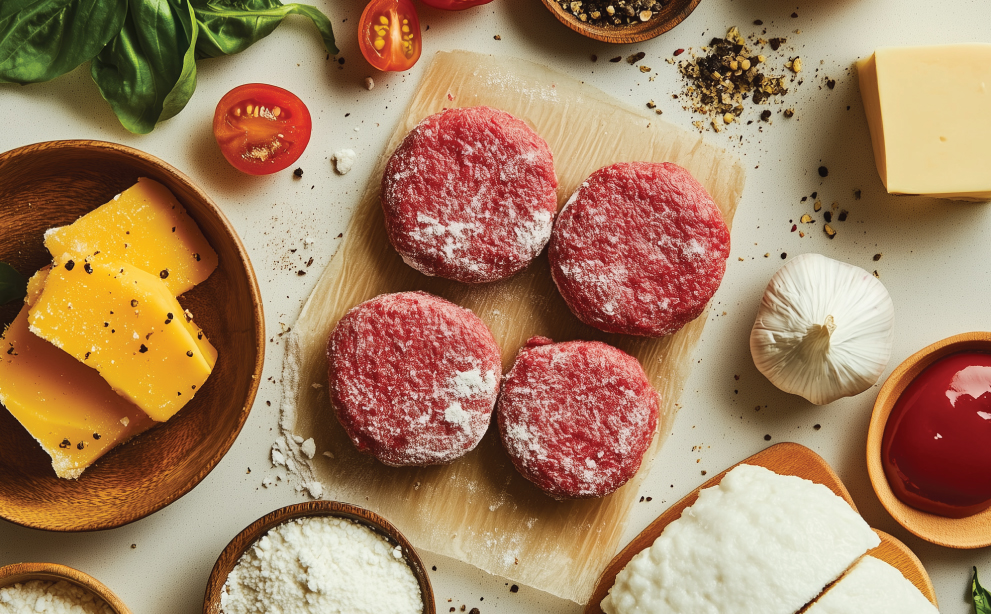
  • Frozen Burger Patties – Ensures consistency in texture, size, and taste.
  • Frozen French Fries – Pre-cut and partially cooked for quick frying.
  • Frozen Chicken Nuggets – Standardized flavor and crunch across all locations.

2. Pizza Chains

  • Frozen Dough – Maintains uniformity in crust thickness and texture.
  • Frozen Cheese and Toppings – Ensures even distribution and consistent taste.
  • Pre-Cooked Frozen Meats – Reduces preparation time for toppings.

3. Cafés and Bakeries

  • Frozen Pastries and Croissants – Ensures uniformity in size and taste.
  • Frozen Fruit Purees – Standardized for smoothies and desserts.
  • Frozen Bread and Dough – Provides consistency in baked goods.

4. Fried Chicken QSRs

  • Pre-marinated Frozen Chicken – Ensures consistent flavor and texture.
  • Frozen Batter Mixes – Maintains uniformity in coating and crunch.
  • Frozen Wings and Drumsticks – Standardized portion sizes for predictable cooking.

Across these categories, frozen foods help QSRs scale their operations while maintaining quality and consistency.

Future Trends in Frozen Foods for QSRs

The frozen food industry continues to evolve with innovations that further enhance QSR efficiency. Emerging trends include:

1. Healthier Frozen Options – More QSRs are incorporating frozen organic, antibiotic-free, and low-fat ingredients.

2. Custom Frozen Solutions – Brands are opting for customized frozen ingredients tailored to their unique recipes.

3. Sustainable Packaging – Eco-friendly frozen food packaging is gaining popularity.

4. Improved Freezing Technology – Advanced freezing methods like IQF (Individually Quick Frozen) ensure better taste retention.

These trends indicate that frozen foods will continue to be a cornerstone of QSR success.

Conclusion

For Quick-Service Restaurants, consistency is non-negotiable. Customers expect the same great taste every time they visit, and frozen foods provide the perfect solution. By ensuring uniformity, improving efficiency, reducing waste, and enhancing food safety, frozen ingredients help QSRs scale their operations seamlessly.

At Jubilant Consumer, we offer a range of premium frozen food solutions tailored for QSRs, ensuring top-quality ingredients that help brands maintain their signature flavors across multiple locations.

With frozen foods, QSRs can deliver speed, efficiency, and above all consistency in every bite………..

Why Standardized Frozen Meats Are a Game-Changer for Hotels and Restaurants

The food industry is constantly evolving, and one of the biggest trends in recent years has been the shift towards standardized frozen meats. Whether it’s a luxury hotel, a busy restaurant, or a quick-service chain, maintaining consistency in food quality is crucial. Customers expect the same taste and experience every time they order, and standardized frozen meats help food businesses deliver exactly that.

Gone are the days when frozen meats were considered lower in quality compared to fresh cuts. With advanced freezing techniques like blast freezing and Individually Quick Frozen (IQF) processing, frozen meats now retain their taste, texture, and nutritional value just as well as fresh meat—sometimes even better. This has made them a preferred choice for many hotels and restaurants looking to improve efficiency, reduce costs, and maintain consistency.

So why exactly are standardized frozen meats gaining popularity in the hospitality industry? Let’s dive into the benefits and see how they are changing the way food businesses operate.

Why Standardization is Important in the Food Industry

One of the biggest challenges that restaurants and hotels face is delivering the same quality and taste across all locations and over time. If a customer visits a restaurant chain in different cities, they expect the same burger, steak, or grilled chicken to taste identical. Achieving this level of uniformity with fresh meat can be difficult because factors like seasonal availability, supplier inconsistencies, and human error can affect the final product.

With standardized frozen meats, food service providers can ensure:

  • Consistent portion sizes – Every serving has the same weight and dimensions.
  • Reliable taste and texture – Meat is pre-cut, pre-marinated, or processed to maintain the same flavor.
  • Better inventory control – Businesses can stock frozen meat in bulk without worrying about spoilage.
  • Reduced food waste – Longer shelf life means fewer losses from expired products.

For large-scale operations like hotel chains, QSRs (Quick Service Restaurants), and catering services, these factors make a huge difference in cost efficiency and customer satisfaction.

Advantages of Using Standardized Frozen Meats

Many food businesses are moving towards frozen meat solutions for several reasons. Here are some key benefits:

1. Extended Shelf Life and Reduced Waste

Fresh meat has a short shelf life and must be used within a few days to avoid spoilage. In contrast, frozen meats can be stored for months without compromising quality. This not only reduces waste but also helps businesses plan their inventory better, avoiding sudden shortages or excess stock.

2. Uniform Quality and Texture

Standardized frozen meats go through strict quality control processes, ensuring that every batch meets the same standards. Unlike fresh meat, which can vary in tenderness and taste due to different suppliers or seasons, frozen meats provide a consistent experience.

3. Cost Savings and Bulk Purchasing

Since fresh meat prices fluctuate due to supply chain issues, seasonal factors, and demand variations, restaurants often face unpredictable costs. With frozen meats, businesses can buy in bulk at stable prices, reducing overall expenses and making financial planning easier.

4. Faster and Easier Cooking

Many standardized frozen meats come pre-marinated, pre-cut, or even pre-cooked, making them extremely convenient for chefs. This saves valuable time in the kitchen and helps maintain efficiency during rush hours.

5. Improved Food Safety and Hygiene

Fresh meat is highly perishable and can quickly become a breeding ground for bacteria if not stored properly. Frozen meat, on the other hand, is processed under controlled conditions and frozen at ultra-low temperatures, minimizing the risk of contamination.

6. No Compromise on Nutrition

Many people assume that frozen meat loses its nutritional value, but that’s not true. Modern freezing techniques lock in essential nutrients, ensuring that frozen meats retain their protein content, vitamins, and minerals just like fresh meat.

How Standardized Frozen Meats Benefit Hotels and Restaurants

The hospitality industry is always looking for ways to improve efficiency without compromising quality. Here’s how standardized frozen meats help:

1. Time-Saving in Busy Kitchens

Hotels and restaurants serve hundreds or even thousands of meals per day. Frozen meats eliminate the need for:

  • Cutting and portioning raw meat.
  • Extensive marination and seasoning.
  • Managing unpredictable fresh meat deliveries.

This streamlines kitchen operations and allows chefs to focus more on presentation and innovation rather than basic prep work.

2. Consistency in Multi-Location Restaurants

For restaurants with multiple locations, achieving the same taste and quality across all outlets can be difficult with fresh meat. However, standardized frozen meats ensure:

  • Every burger patty is the same size and weight.
  • Steaks are of uniform thickness and tenderness.
  • Fried chicken coatings remain consistent, reducing variations in taste.

This means that a customer ordering a dish in one city will have the same experience as someone ordering the same dish elsewhere.

3. Customization for Different Culinary Needs

Frozen meat suppliers offer a wide variety of options, including:

  • Pre-marinated meats – Saves time and maintains consistency in flavors.
  • Pre-cut portions – Ensures proper portion control for pricing and nutrition.
  • Specialty meat cuts – For fine dining and premium dishes.

This flexibility allows chefs to create unique dishes while still benefiting from the convenience of frozen meat.

4. Meeting Dietary Preferences

As more people look for healthier food options, suppliers now offer organic, antibiotic-free, and low-fat frozen meats. This helps restaurants and hotels cater to:

  • Health-conscious diners who want lean protein options.
  • Consumers looking for halal or kosher meats.
  • Those with specific dietary needs, such as low-sodium or gluten-free options.

Standardized Frozen Meats vs. Fresh Meats: A Quick Comparison

FeatureFresh MeatStandardized Frozen Meat
Shelf Life3-5 daysSeveral months to a year
ConsistencyVariesAlways uniform
Food WasteHighLow
Cost StabilityUnstableMore predictable
Prep TimeHighLow
Food SafetyHigher risk of contaminationReduced contamination risk

As this table shows, standardized frozen meats offer significant advantages over fresh meat, making them the preferred choice for many food service businesses.

What’s Next for Standardized Frozen Meats?

With advancements in food technology, the frozen meat industry is expected to grow even more. Some key future trends include:

  • Eco-Friendly Freezing Methods – Reducing the carbon footprint of freezing and transportation.
  • More Sustainable Packaging – Using biodegradable materials instead of plastic.
  • Smart Tracking Systems – Allowing businesses to monitor freshness and stock levels more efficiently.
  • Greater Customization Options – More choices in cuts, marinades, and portion sizes.

Hotels and restaurants that adopt standardized frozen meats now will have a competitive edge in terms of efficiency, quality, and cost management.

Conclusion

Standardized frozen meats are revolutionizing the food industry by offering hotels and restaurants a reliable, cost-effective, and high-quality solution. From ensuring menu consistency and reducing waste to enhancing food safety and operational efficiency, frozen meats provide multiple benefits that fresh meat simply can’t match.

At Jubilant Consumer, we specialize in supplying premium frozen meat solutions tailored for the hospitality sector. Our products are designed to help food businesses deliver top-tier meals with minimal hassle.

As the demand for high-quality, sustainable, and efficient food options continues to rise, standardized frozen meats will become even more essential for modern kitchens……

Perfect Pairings: Best Snacks to Complement Your Coffee & Beverages

Coffee and beverages have always been more than just drinks—they are experiences. Whether it’s the morning ritual of sipping a steaming cup of coffee, the afternoon boost from an iced latte, or the relaxed indulgence of hot chocolate on a rainy evening, these beverages become even more enjoyable when paired with the right snack.

Choosing the right snack can enhance the flavors of your drink, making every sip and bite a delightful experience. At Jubilant Consumer, we offer a diverse range of bakery products that are perfect for pairing with various beverages, from bold espressos and creamy cappuccinos to herbal teas and refreshing cold brews.

This blog explores the best snack pairings for different coffee styles and beverages, helping you make the most of your daily coffee break or tea-time ritual.

1. Classic Coffee and Bakery Pairings

Coffee is one of the most beloved beverages in the world, and its rich, aromatic flavors pair beautifully with a wide range of bakery products. Let’s take a closer look at some perfect coffee-snack combinations.

Espresso & Chocolate Excess Cake

A shot of espresso is intense, bold, and slightly bitter. To balance this, a rich, chocolate-heavy dessert like a Chocolate Excess Cake or a Double Chocochip Brownie works wonders. The deep cocoa flavors complement the espresso’s bitterness, creating a harmonious blend of taste and texture.

Cappuccino & Butter Croissant

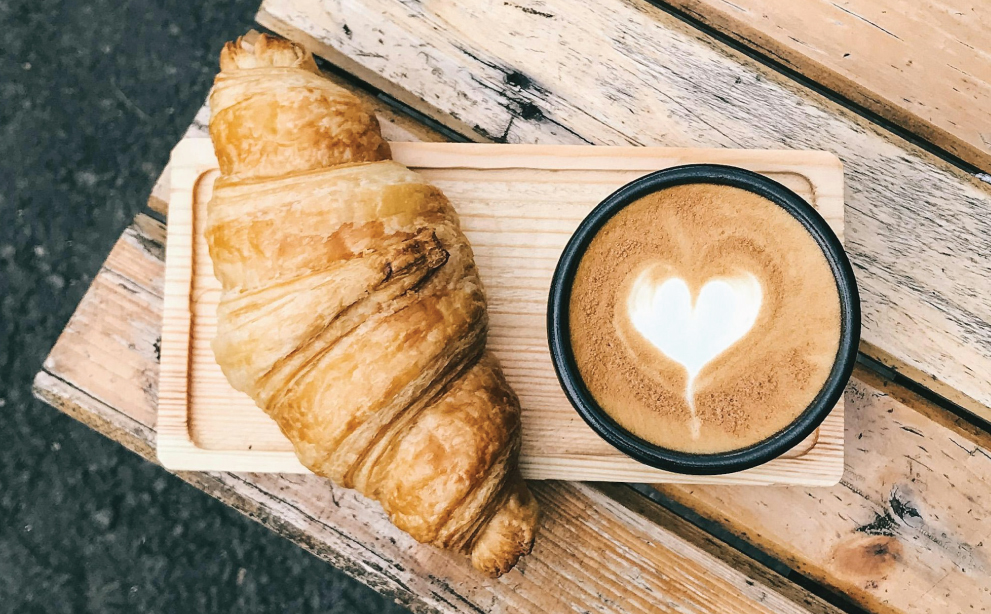
A cappuccino, with its frothy milk and strong coffee base, pairs beautifully with a classic butter croissant. The croissant’s buttery, flaky layers contrast perfectly with the velvety smoothness of the cappuccino, making for a light yet indulgent breakfast or snack.

Latte & Almond Cookies

Lattes have a creamy, slightly sweet taste, making them ideal for pairing with Almond Cookies or Peanut Butter Cookies. The nutty flavors enhance the subtle caramel notes in the espresso, offering a crunchy and creamy delight in every bite.

Americano & Oat & Raisin Cookies

An Americano is a straightforward black coffee with a strong yet smooth profile. A healthier snack like an Oat & Raisin Cookie pairs perfectly, providing a hint of natural sweetness and texture without overpowering the coffee’s rich flavors.

Mocha & Chocolate Croissant

If you’re a chocolate lover, nothing beats a mocha with a warm Chocolate Croissant. The layers of buttery pastry filled with melted chocolate blend seamlessly with the cocoa-infused espresso drink, creating a heavenly combination.

2. Tea-Time Treats: The Best Snacks for Every Type of Tea

Tea has a wide variety of flavors, from earthy greens and floral whites to bold blacks and spiced chais. The right baked snack can complement the tea’s natural notes while enhancing the overall experience.

Black Tea & Red Velvet Cake

A strong black tea, such as English Breakfast or Assam, has a robust, malty taste that pairs well with a Red Velvet Cake. The cake’s mild cocoa notes and cream cheese frosting balance the tea’s boldness, creating an indulgent tea-time pairing.

Green Tea & Walnut Brownie

The slightly bitter and grassy flavors of green tea contrast beautifully with the nutty, chocolatey richness of a Walnut Brownie. The smooth texture of the brownie balances the light, refreshing taste of green tea, making it a great mid-day snack.

Masala Chai & Butter Croissant

Spiced teas, such as Masala Chai, have warm notes of cardamom, cinnamon, and ginger, which pair wonderfully with a flaky, buttery croissant. The croissant’s neutral yet rich flavor allows the spices of the chai to shine through.

Earl Grey & Lemon Tea Cake

The citrus bergamot notes in Earl Grey tea make it a great match for a Lemon Tea Cake. The cake’s light, zesty flavor enhances the tea’s natural aroma, creating a refreshing and delicate pairing.

3. Cold Beverages & Refreshing Snack Pairings

Not all great beverage pairings involve hot drinks. Cold brews, frappés, and iced teas also deserve delicious snack companions that complement their flavors and textures.

Cold Brew & Chocolate Doughnut

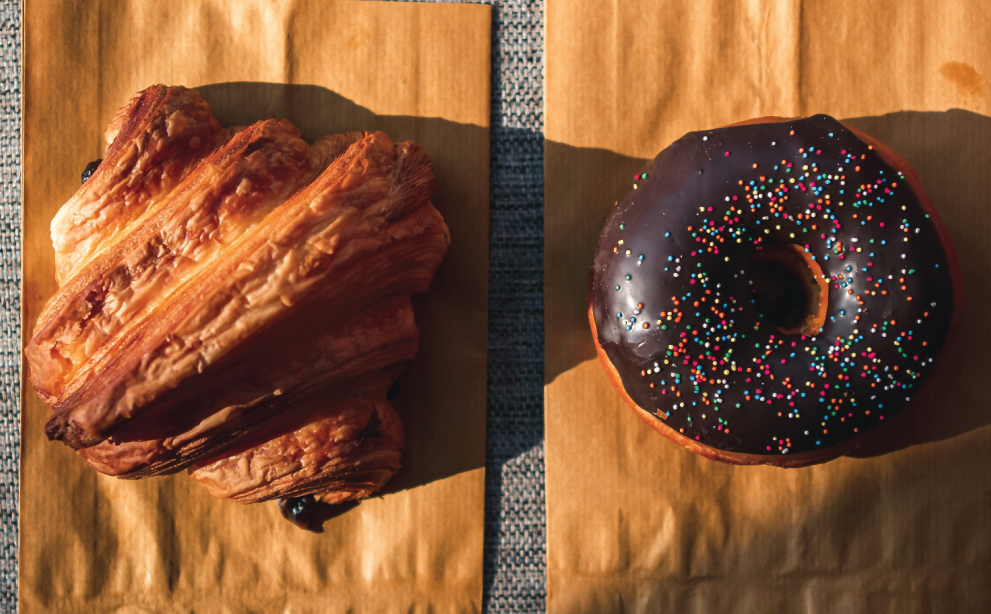
A smooth, slightly sweet cold brew coffee pairs beautifully with a Chocolate Doughnut. The contrast between the cold, refreshing drink and the soft, chocolate-filled doughnut makes for a balanced treat.

Iced Latte & Vanilla Muffin

The mild, creamy taste of an iced latte goes hand in hand with a Vanilla Muffin. This combination offers a light, subtly sweet flavor profile that’s perfect for a warm afternoon.

Iced Tea & Almond Croissant

Whether you prefer peach iced tea or lemon iced tea, an Almond Croissant adds a delightful crunch and nutty sweetness, balancing the tea’s refreshing acidity.

4. Indulgent Pairings for Specialty Beverages

For those who enjoy specialty coffee and beverages, there are plenty of unique snack options to take the experience to the next level.

Hot Chocolate & Hazelnut Brownie

A rich, creamy hot chocolate deserves an equally indulgent treat, such as a Hazelnut Brownie. The brownie’s deep cocoa notes and nutty undertones complement the smoothness of the hot chocolate, making it the ultimate winter comfort snack.

Matcha Latte & Coconut Cookies

The earthy, slightly bitter notes of matcha contrast beautifully with Coconut Cookies, which add a touch of natural sweetness and tropical flavor.

Pumpkin Spice Latte & Ragi Cookie

During fall, nothing beats a Pumpkin Spice Latte with a Ragi Cookie. The warm spices in the drink, such as cinnamon, nutmeg, and clove, blend beautifully with the nutty, wholesome flavors of ragi.

5. Sweet and Savory Bites for Brunch & High Tea

If you’re hosting a brunch or high tea, choosing a variety of savory and sweet baked goods will keep your guests satisfied.

Sweet Options:

  • Apple Pie & Vanilla Chai – A timeless pairing that brings out the warm, fruity flavors.
  • Chocolate Muffin & Caffè Macchiato – A combination that’s both rich and satisfying.
  • Strawberry Cake & Hibiscus Iced Tea – A refreshing, fruity match.

Savory Options:

  • Veg Puff & Cappuccino – A delicious blend of crispy pastry and bold espresso flavors.
  • Chicken Puff & Spiced Latte – A slightly spicy, savory snack that complements the warm, creamy notes of a latte.
  • Ultimate Garlic Bread & Cold Brew Coffee – A bold, unexpected pairing that works surprisingly well.

Conclusion: Elevate Your Coffee & Beverage Experience

Pairing the right snacks with coffee and beverages can transform an ordinary drink into a gourmet experience. Whether you love a strong espresso with a chocolate treat, a delicate tea with a citrusy cake, or a cold brew with a flaky croissant, there’s a perfect bakery pairing for every mood and occasion.

At Jubilant Consumer, we offer a wide selection of premium bakery products, ensuring that every coffee break, high tea, or casual snack session is memorable, delicious, and satisfying.

So, the next time you grab your favorite coffee or tea, don’t forget to pair it with one of our freshly baked treats for the ultimate indulgence!

The Future of Frozen Foods: How Convenience Meets Quality

In today’s fast-paced world, frozen foods have become a staple in households across the globe. Once considered a compromise on quality, the frozen food industry has undergone a remarkable transformation. With advancements in technology, shifting consumer preferences, and a growing emphasis on health and sustainability, the future of frozen foods is brighter than ever. This blog explores how convenience meets quality in the frozen food sector and why it’s poised to dominate the food industry in the coming years.

The Evolution of Frozen Foods: From Convenience to Culinary Excellence

Frozen foods have come a long way since their inception in the early 20th century. What started as a simple solution to preserve seasonal produce has evolved into a multi-billion-dollar industry offering everything from gourmet meals to plant-based alternatives. The keyword here is convenience, but modern frozen foods are no longer just about saving time—they’re about delivering quality without compromise.

Advancements in flash-freezing technology have been a game-changer. This process locks in nutrients, flavor, and texture, ensuring that frozen fruits, vegetables, and meals retain their freshness. As a result, consumers can enjoy restaurant-quality dishes at home with minimal effort. Brands are also focusing on clean-label ingredients, eliminating artificial preservatives, and catering to health-conscious shoppers.

Why Frozen Foods Are Gaining Popularity

1. Health and Nutrition

Contrary to popular belief, frozen foods can be just as nutritious as fresh options. Studies have shown that frozen fruits and vegetables often contain higher levels of vitamins and minerals compared to their fresh counterparts, which can lose nutrients during transportation and storage. With the rise of organic frozen foods and low-calorie options, health-conscious consumers are embracing frozen meals as part of a balanced diet.

2. Sustainability

The frozen food industry is making strides in sustainability. Frozen foods have a longer shelf life, reducing food waste—a critical issue in today’s world. Additionally, many companies are adopting eco-friendly packaging and sourcing ingredients from sustainable farms, appealing to environmentally conscious consumers.

3. Convenience Without Compromise

In a world where time is a luxury, frozen foods offer unparalleled convenience. Whether it’s a quick breakfast, a ready-to-eat lunch, or a gourmet dinner, frozen meals save time without sacrificing taste or quality. The rise of premium frozen foods has elevated the category, offering chef-inspired dishes that cater to diverse palates.

4. Innovation and Variety

The frozen food aisle is no longer limited to pizzas and fries. Today, consumers can find a wide range of options, including plant-based frozen meals, global cuisines, and keto-friendly options. This diversity reflects the industry’s commitment to meeting the evolving needs of modern consumers.

The Role of Technology in Shaping the Future of Frozen Foods

Technology is at the heart of the frozen food revolution. From smart freezers that optimize storage conditions to AI-driven supply chains that ensure freshness, innovation is driving the industry forward. Here are some key technological advancements:

1. Flash-Freezing Technology: This method preserves the cellular structure of food, maintaining its taste, texture, and nutritional value.

2. IoT-Enabled Appliances: Smart freezers and ovens are making it easier for consumers to prepare frozen meals with precision.

3. Blockchain for Transparency: Consumers are increasingly demanding transparency about the origins of their food. Blockchain technology is being used to track the journey of frozen products from farm to table.

Consumer Trends Driving the Frozen Food Market

1. Demand for Premium Options

Consumers are willing to pay more for high-quality frozen foods. Brands are responding by offering gourmet frozen meals, artisanal ingredients, and restaurant-quality dishes.

2. Plant-Based and Health-Conscious Choices

The rise of vegan frozen foods and gluten-free options reflects the growing demand for healthier, more inclusive products. Frozen plant-based burgers, bowls, and desserts are becoming increasingly popular.

3. Global Flavors

As consumers become more adventurous with their food choices, the demand for international frozen cuisines is on the rise. From Thai curries to Mexican enchiladas, frozen foods are bringing the world’s flavors to your doorstep.

4. Meal Kits and Ready-to-Eat Options

The success of meal kit delivery services has spilled over into the frozen food sector. Brands are offering frozen meal kits that combine the convenience of pre-portioned ingredients with the ease of frozen storage.

Challenges and Opportunities in the Frozen Food Industry

While the future of frozen foods looks promising, the industry faces its share of challenges. Perception issues remain a hurdle, as some consumers still associate frozen foods with low quality. Educating consumers about the benefits of modern frozen foods is crucial.

Another challenge is competition from fresh and refrigerated options. However, the industry can turn this into an opportunity by highlighting the unique advantages of frozen foods, such as longer shelf life and reduced food waste.

Conclusion: The Frozen Food Revolution is Here to Stay

The future of frozen foods is all about convenience meets quality. With advancements in technology, a focus on health and sustainability, and an ever-expanding range of options, frozen foods are no longer just a backup plan—they’re a first choice for millions of consumers.

As the industry continues to innovate, we can expect even more exciting developments, from personalized frozen meals to zero-waste packaging. Whether you’re a busy professional, a health enthusiast, or a foodie looking for gourmet options, the frozen food aisle has something for everyone.

So, the next time you reach for a frozen meal, remember: you’re not just choosing convenience—you’re embracing a future where quality and taste are always within reach