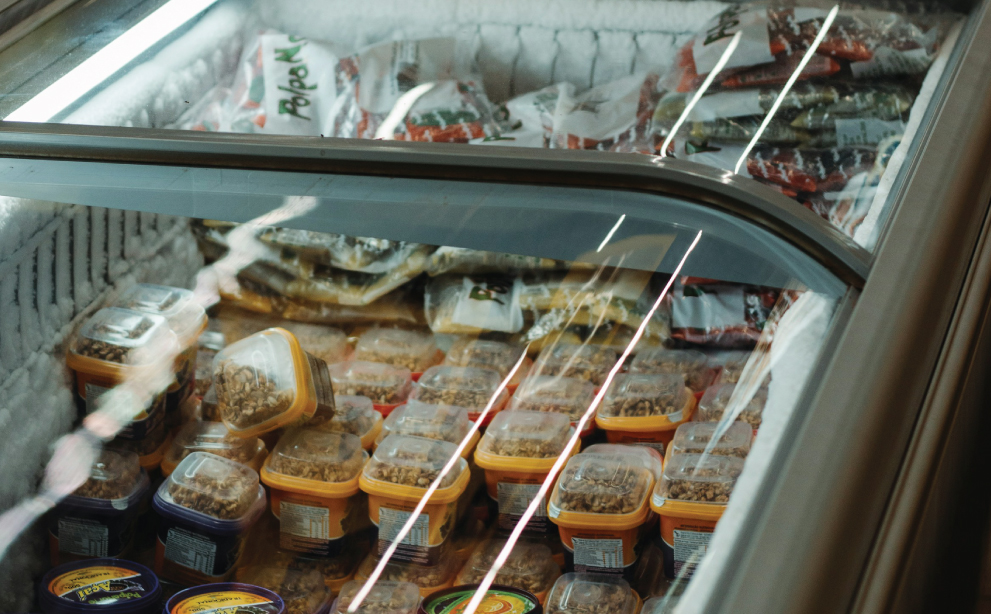
The Future of Frozen Foods: How Convenience Meets Quality
In today’s fast-paced world, frozen foods have become a staple in households across the globe. Once considered a compromise on quality, the frozen food industry has undergone a remarkable transformation. With advancements in technology, shifting consumer preferences, and a growing emphasis on health and sustainability, the future of frozen foods is brighter than ever. This blog explores how convenience meets quality in the frozen food sector and why it’s poised to dominate the food industry in the coming years.
The Evolution of Frozen Foods: From Convenience to Culinary Excellence
Frozen foods have come a long way since their inception in the early 20th century. What started as a simple solution to preserve seasonal produce has evolved into a multi-billion-dollar industry offering everything from gourmet meals to plant-based alternatives. The keyword here is convenience, but modern frozen foods are no longer just about saving time—they’re about delivering quality without compromise.
Advancements in flash-freezing technology have been a game-changer. This process locks in nutrients, flavor, and texture, ensuring that frozen fruits, vegetables, and meals retain their freshness. As a result, consumers can enjoy restaurant-quality dishes at home with minimal effort. Brands are also focusing on clean-label ingredients, eliminating artificial preservatives, and catering to health-conscious shoppers.
Why Frozen Foods Are Gaining Popularity
1. Health and Nutrition
Contrary to popular belief, frozen foods can be just as nutritious as fresh options. Studies have shown that frozen fruits and vegetables often contain higher levels of vitamins and minerals compared to their fresh counterparts, which can lose nutrients during transportation and storage. With the rise of organic frozen foods and low-calorie options, health-conscious consumers are embracing frozen meals as part of a balanced diet.
2. Sustainability
The frozen food industry is making strides in sustainability. Frozen foods have a longer shelf life, reducing food waste—a critical issue in today’s world. Additionally, many companies are adopting eco-friendly packaging and sourcing ingredients from sustainable farms, appealing to environmentally conscious consumers.
3. Convenience Without Compromise
In a world where time is a luxury, frozen foods offer unparalleled convenience. Whether it’s a quick breakfast, a ready-to-eat lunch, or a gourmet dinner, frozen meals save time without sacrificing taste or quality. The rise of premium frozen foods has elevated the category, offering chef-inspired dishes that cater to diverse palates.
4. Innovation and Variety
The frozen food aisle is no longer limited to pizzas and fries. Today, consumers can find a wide range of options, including plant-based frozen meals, global cuisines, and keto-friendly options. This diversity reflects the industry’s commitment to meeting the evolving needs of modern consumers.
The Role of Technology in Shaping the Future of Frozen Foods
Technology is at the heart of the frozen food revolution. From smart freezers that optimize storage conditions to AI-driven supply chains that ensure freshness, innovation is driving the industry forward. Here are some key technological advancements:
1. Flash-Freezing Technology: This method preserves the cellular structure of food, maintaining its taste, texture, and nutritional value.
2. IoT-Enabled Appliances: Smart freezers and ovens are making it easier for consumers to prepare frozen meals with precision.
3. Blockchain for Transparency: Consumers are increasingly demanding transparency about the origins of their food. Blockchain technology is being used to track the journey of frozen products from farm to table.
Consumer Trends Driving the Frozen Food Market
1. Demand for Premium Options
Consumers are willing to pay more for high-quality frozen foods. Brands are responding by offering gourmet frozen meals, artisanal ingredients, and restaurant-quality dishes.
2. Plant-Based and Health-Conscious Choices
The rise of vegan frozen foods and gluten-free options reflects the growing demand for healthier, more inclusive products. Frozen plant-based burgers, bowls, and desserts are becoming increasingly popular.
3. Global Flavors
As consumers become more adventurous with their food choices, the demand for international frozen cuisines is on the rise. From Thai curries to Mexican enchiladas, frozen foods are bringing the world’s flavors to your doorstep.
4. Meal Kits and Ready-to-Eat Options
The success of meal kit delivery services has spilled over into the frozen food sector. Brands are offering frozen meal kits that combine the convenience of pre-portioned ingredients with the ease of frozen storage.
Challenges and Opportunities in the Frozen Food Industry
While the future of frozen foods looks promising, the industry faces its share of challenges. Perception issues remain a hurdle, as some consumers still associate frozen foods with low quality. Educating consumers about the benefits of modern frozen foods is crucial.
Another challenge is competition from fresh and refrigerated options. However, the industry can turn this into an opportunity by highlighting the unique advantages of frozen foods, such as longer shelf life and reduced food waste.
Conclusion: The Frozen Food Revolution is Here to Stay
The future of frozen foods is all about convenience meets quality. With advancements in technology, a focus on health and sustainability, and an ever-expanding range of options, frozen foods are no longer just a backup plan—they’re a first choice for millions of consumers.
As the industry continues to innovate, we can expect even more exciting developments, from personalized frozen meals to zero-waste packaging. Whether you’re a busy professional, a health enthusiast, or a foodie looking for gourmet options, the frozen food aisle has something for everyone.
So, the next time you reach for a frozen meal, remember: you’re not just choosing convenience—you’re embracing a future where quality and taste are always within reach