Why Standardized Frozen Meats Are a Game-Changer for Hotels and Restaurants
The food industry is constantly evolving, and one of the biggest trends in recent years has been the shift towards standardized frozen meats. Whether it’s a luxury hotel, a busy restaurant, or a quick-service chain, maintaining consistency in food quality is crucial. Customers expect the same taste and experience every time they order, and standardized frozen meats help food businesses deliver exactly that.
Gone are the days when frozen meats were considered lower in quality compared to fresh cuts. With advanced freezing techniques like blast freezing and Individually Quick Frozen (IQF) processing, frozen meats now retain their taste, texture, and nutritional value just as well as fresh meat—sometimes even better. This has made them a preferred choice for many hotels and restaurants looking to improve efficiency, reduce costs, and maintain consistency.
So why exactly are standardized frozen meats gaining popularity in the hospitality industry? Let’s dive into the benefits and see how they are changing the way food businesses operate.
Why Standardization is Important in the Food Industry
One of the biggest challenges that restaurants and hotels face is delivering the same quality and taste across all locations and over time. If a customer visits a restaurant chain in different cities, they expect the same burger, steak, or grilled chicken to taste identical. Achieving this level of uniformity with fresh meat can be difficult because factors like seasonal availability, supplier inconsistencies, and human error can affect the final product.
With standardized frozen meats, food service providers can ensure:
- Consistent portion sizes – Every serving has the same weight and dimensions.
- Reliable taste and texture – Meat is pre-cut, pre-marinated, or processed to maintain the same flavor.
- Better inventory control – Businesses can stock frozen meat in bulk without worrying about spoilage.
- Reduced food waste – Longer shelf life means fewer losses from expired products.
For large-scale operations like hotel chains, QSRs (Quick Service Restaurants), and catering services, these factors make a huge difference in cost efficiency and customer satisfaction.
Advantages of Using Standardized Frozen Meats
Many food businesses are moving towards frozen meat solutions for several reasons. Here are some key benefits:
1. Extended Shelf Life and Reduced Waste
Fresh meat has a short shelf life and must be used within a few days to avoid spoilage. In contrast, frozen meats can be stored for months without compromising quality. This not only reduces waste but also helps businesses plan their inventory better, avoiding sudden shortages or excess stock.
2. Uniform Quality and Texture
Standardized frozen meats go through strict quality control processes, ensuring that every batch meets the same standards. Unlike fresh meat, which can vary in tenderness and taste due to different suppliers or seasons, frozen meats provide a consistent experience.
3. Cost Savings and Bulk Purchasing
Since fresh meat prices fluctuate due to supply chain issues, seasonal factors, and demand variations, restaurants often face unpredictable costs. With frozen meats, businesses can buy in bulk at stable prices, reducing overall expenses and making financial planning easier.
4. Faster and Easier Cooking
Many standardized frozen meats come pre-marinated, pre-cut, or even pre-cooked, making them extremely convenient for chefs. This saves valuable time in the kitchen and helps maintain efficiency during rush hours.
5. Improved Food Safety and Hygiene
Fresh meat is highly perishable and can quickly become a breeding ground for bacteria if not stored properly. Frozen meat, on the other hand, is processed under controlled conditions and frozen at ultra-low temperatures, minimizing the risk of contamination.
6. No Compromise on Nutrition
Many people assume that frozen meat loses its nutritional value, but that’s not true. Modern freezing techniques lock in essential nutrients, ensuring that frozen meats retain their protein content, vitamins, and minerals just like fresh meat.
How Standardized Frozen Meats Benefit Hotels and Restaurants
The hospitality industry is always looking for ways to improve efficiency without compromising quality. Here’s how standardized frozen meats help:
1. Time-Saving in Busy Kitchens
Hotels and restaurants serve hundreds or even thousands of meals per day. Frozen meats eliminate the need for:
- Cutting and portioning raw meat.
- Extensive marination and seasoning.
- Managing unpredictable fresh meat deliveries.
This streamlines kitchen operations and allows chefs to focus more on presentation and innovation rather than basic prep work.
2. Consistency in Multi-Location Restaurants
For restaurants with multiple locations, achieving the same taste and quality across all outlets can be difficult with fresh meat. However, standardized frozen meats ensure:
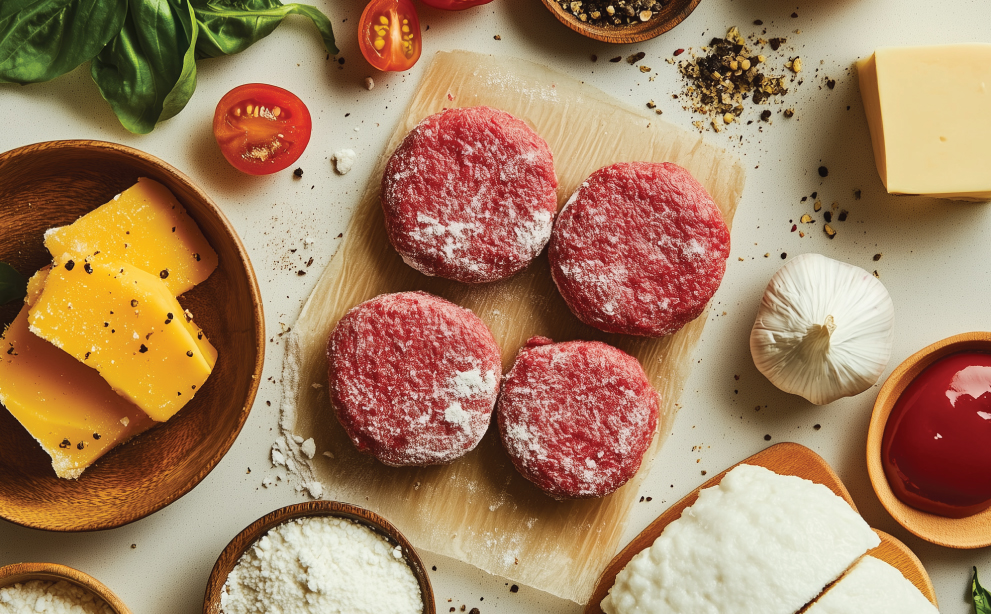
- Every burger patty is the same size and weight.
- Steaks are of uniform thickness and tenderness.
- Fried chicken coatings remain consistent, reducing variations in taste.
This means that a customer ordering a dish in one city will have the same experience as someone ordering the same dish elsewhere.
3. Customization for Different Culinary Needs
Frozen meat suppliers offer a wide variety of options, including:
- Pre-marinated meats – Saves time and maintains consistency in flavors.
- Pre-cut portions – Ensures proper portion control for pricing and nutrition.
- Specialty meat cuts – For fine dining and premium dishes.
This flexibility allows chefs to create unique dishes while still benefiting from the convenience of frozen meat.
4. Meeting Dietary Preferences
As more people look for healthier food options, suppliers now offer organic, antibiotic-free, and low-fat frozen meats. This helps restaurants and hotels cater to:
- Health-conscious diners who want lean protein options.
- Consumers looking for halal or kosher meats.
- Those with specific dietary needs, such as low-sodium or gluten-free options.
Standardized Frozen Meats vs. Fresh Meats: A Quick Comparison
| Feature | Fresh Meat | Standardized Frozen Meat |
| Shelf Life | 3-5 days | Several months to a year |
| Consistency | Varies | Always uniform |
| Food Waste | High | Low |
| Cost Stability | Unstable | More predictable |
| Prep Time | High | Low |
| Food Safety | Higher risk of contamination | Reduced contamination risk |
As this table shows, standardized frozen meats offer significant advantages over fresh meat, making them the preferred choice for many food service businesses.
What’s Next for Standardized Frozen Meats?
With advancements in food technology, the frozen meat industry is expected to grow even more. Some key future trends include:
- Eco-Friendly Freezing Methods – Reducing the carbon footprint of freezing and transportation.
- More Sustainable Packaging – Using biodegradable materials instead of plastic.
- Smart Tracking Systems – Allowing businesses to monitor freshness and stock levels more efficiently.
- Greater Customization Options – More choices in cuts, marinades, and portion sizes.
Hotels and restaurants that adopt standardized frozen meats now will have a competitive edge in terms of efficiency, quality, and cost management.
Conclusion
Standardized frozen meats are revolutionizing the food industry by offering hotels and restaurants a reliable, cost-effective, and high-quality solution. From ensuring menu consistency and reducing waste to enhancing food safety and operational efficiency, frozen meats provide multiple benefits that fresh meat simply can’t match.
At Jubilant Consumer, we specialize in supplying premium frozen meat solutions tailored for the hospitality sector. Our products are designed to help food businesses deliver top-tier meals with minimal hassle.
As the demand for high-quality, sustainable, and efficient food options continues to rise, standardized frozen meats will become even more essential for modern kitchens……